Home / Articles
Seborrheic Dermatitis Treatment Korea - Eun Skin Clinic Seoul
Home / Articles
Seborrheic Dermatitis Treatment Korea - Eun Skin Clinic Seoul
If you have been managing flaking, redness, and persistent skin irritation that no shampoo or over-the-counter cream has fully resolved, you are not alone. Seborrheic dermatitis treatment in Korea has become a genuine option for American patients who have exhausted standard US protocols and are looking for a clinical answer rather than another product recommendation. Seoul, and specifically Eun Skin Clinic, is where many of those patients have found the structured, evidence-based management plan they were missing.
Many US patients with seborrheic dermatitis spend years cycling through antifungal shampoos, hydrocortisone creams, and inconclusive dermatology appointments without achieving lasting control. The condition affects the scalp, face, eyebrows, and chest, and without a customised, evidence-based treatment protocol from a board-certified dermatologist, flare-ups continue regardless of how diligent a patient is with their daily routine.
For patients seeking an English-speaking dermatologist in Seoul, Dr. Diane Kim at Eun Skin Clinic is the primary point of contact for all international patients, including those arriving for seborrheic dermatitis treatment for foreigners in Seoul. As Dr. Tae-Eun Kim, Board-Certified Dermatologist and Founder of Eun Skin Clinic, notes: "As a board-certified dermatologist who has treated complex skin disease conditions for over 34 years, the team at Eun Skin Clinic brings evidence-based clinical precision to every seborrheic dermatitis case we manage."
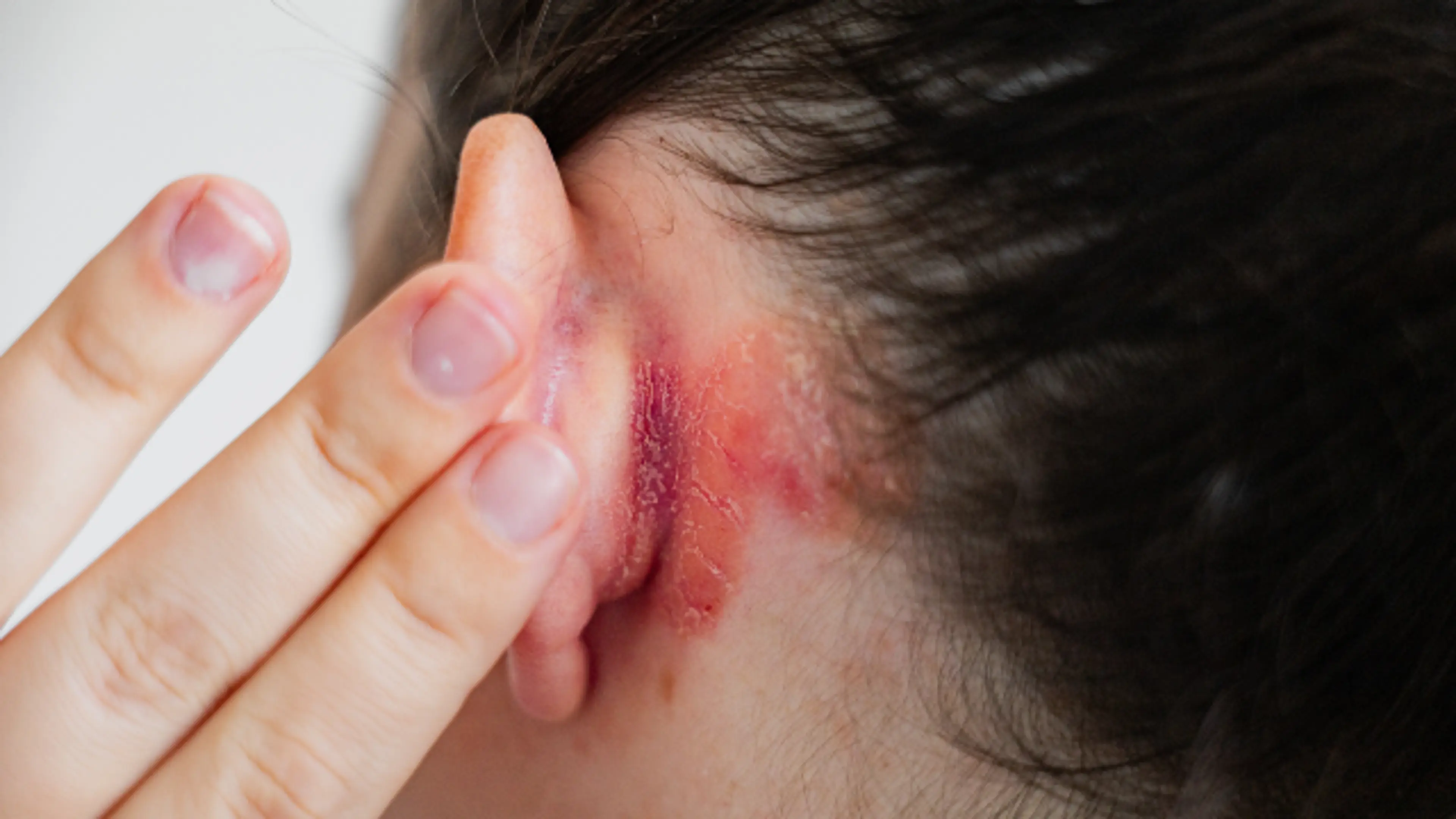
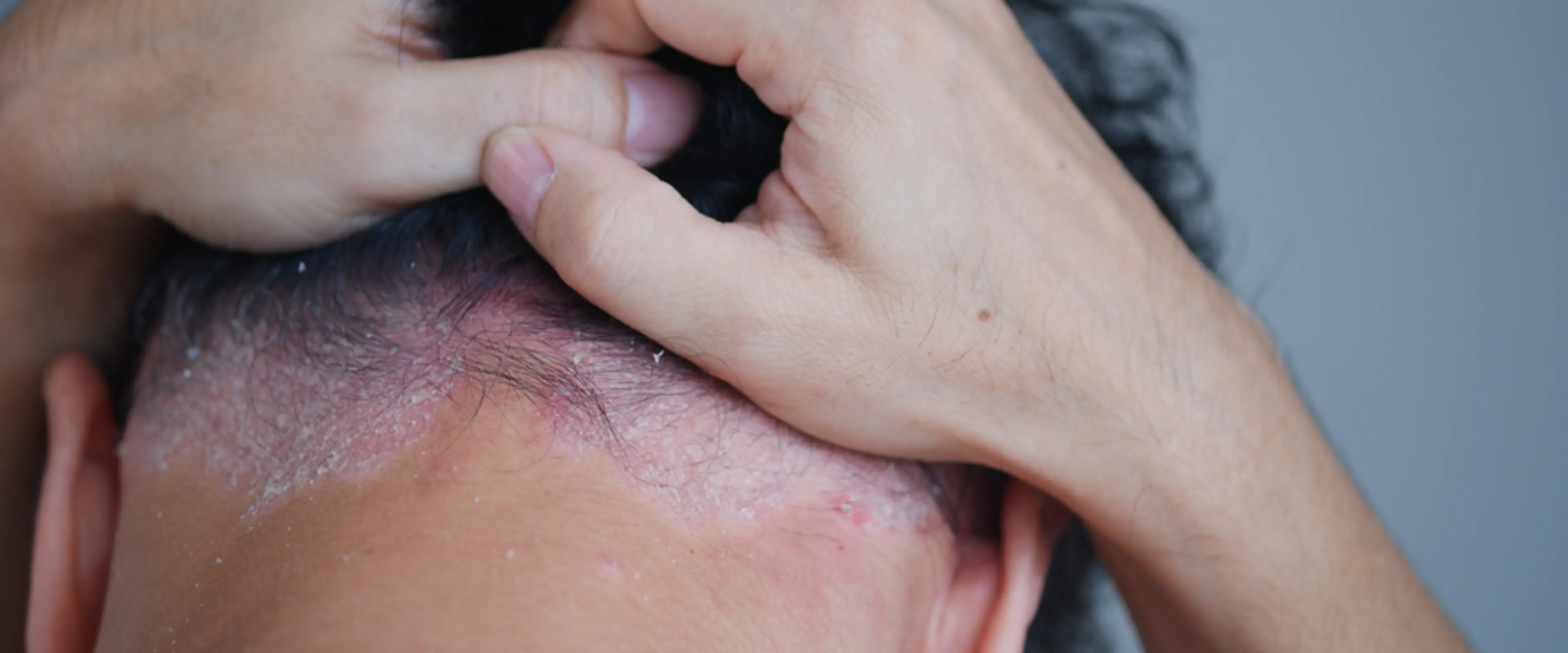
Seborrheic dermatitis is a chronic inflammatory skin condition driven by an overreaction to Malassezia yeast, a naturally occurring fungus that thrives on oily skin surfaces. The condition most commonly affects the scalp, face (particularly the T-zone, eyebrows, and nasolabial folds), chest, and the area behind the ears. Characteristic symptoms include yellow or white flaking, visible redness, greasy scale, and itching that can range from mild to disruptive.
It is important for patients to understand that seborrheic dermatitis is not contagious and is not caused by poor hygiene. These misconceptions frequently cause unnecessary distress. It is also distinct from ordinary dandruff, which is a mild, non-inflammatory form of the same underlying process and does not require the same level of clinical management as seborrheic dermatitis scalp treatment.
For patients managing persistent flare-ups, seborrheic dermatitis treatment in Korea offers a clinical framework that goes beyond the prescribe-and-return model that many American patients have experienced at home.
The distinction between seborrheic dermatitis and atopic dermatitis matters enormously from a treatment perspective, and it is a distinction that many patients never receive clearly from their providers.
Seborrheic dermatitis is yeast-driven and presents predominantly in oily zones, such as the scalp, face, and central chest. Atopic dermatitis is immune-mediated and typically appears in dry, flexural areas such as the inner elbows, behind the knees, and the neck. Misdiagnosis leads directly to ineffective treatment protocols, which is one of the most common reasons patients arrive at Eun Skin Clinic having made little progress.
Eun Skin Clinic's Skin Disease Clinic treats both conditions, so patients who suspect either atopic dermatitis treatment in Seoul or seborrheic dermatitis management can receive an accurate diagnosis in the same clinical setting. Korean dermatologists are specifically trained to identify overlap presentations, where both conditions are active simultaneously, a scenario that requires a carefully coordinated treatment approach.
For a thorough comparison, see the table below:
Feature | Seborrheic Dermatitis | Atopic Dermatitis |
|---|---|---|
Primary cause | Malassezia yeast overgrowth | Immune system dysregulation |
Affected areas | Scalp, face, chest, ears | Inner elbows, knees, neck, hands |
Skin type | Oily zones | Dry, sensitive skin |
Characteristic scale | Greasy, yellow or white | Dry, flaky, sometimes weeping |
Triggers | Stress, humidity, oily skin | Allergens, dry climate, stress |
Treatment approach | Antifungal, sebum regulation | Immunomodulators, barrier repair |
For patients interested in atopic dermatitis treatment at Eun Skin Clinic, the clinic accepts international patients for both conditions.
Korean dermatologists are trained in customised, evidence-based protocols rather than standardised prescribe-and-return models. For a Korean dermatologist managing skin disease, the consultation does not end with a prescription. It begins with one.
Eun Skin Clinic's 35-year clinical history means Dr. Tae-Eun Kim has treated thousands of complex skin disease presentations across every skin type and demographic. The cost of clinical dermatology in Seoul is significantly lower than equivalent specialist care in New York, Los Angeles, or Miami, making it viable even when factoring in travel. And for the first time, English-speaking dermatologist Dr. Diane Kim removes the language barrier that previously made Seoul inaccessible to American patients.
US dermatology for chronic skin conditions often defaults to a prescription protocol without follow-up calibration. A patient presents with flaking, receives an antifungal shampoo or a short course of topical corticosteroid, and returns months later when the condition has flared again. The cycle repeats.
Korean clinical dermatology, particularly at medical-grade clinics like Eun Skin Clinic, begins with a full skin analysis designed to identify trigger patterns, skin microbiome factors, and co-existing conditions before any treatment is selected. At Eun Skin Clinic, the assessment for seborrheic dermatitis includes clinical visual examination, skin barrier function assessment, identification of seborrheic dermatitis flare-up triggers such as stress, humidity, product use, and diet, and evaluation of concurrent skin conditions such as rosacea, flat warts, or atopic overlap.
This is what evidence-based dermatology in Korea looks like in practice. Treatment is built around the individual patient, not around a standardised formula. The clinical question is not simply "what is this condition" but "why does this particular patient's skin keep responding this way, and what is the most precise intervention to interrupt that cycle."
Identifying seborrheic dermatitis flare-up triggers is foundational to the treatment design, because a protocol that does not account for individual aggravating factors will always produce incomplete results.
Seborrheic dermatitis treatment in Korea at Eun Skin Clinic draws on a range of clinical modalities, each selected based on the individual patient's skin assessment. The following are the primary treatment categories available:
Topical prescription therapy involves prescription-strength antifungal agents and low-potency topical corticosteroids calibrated to the affected area and severity of inflammation. Medical-grade light therapy uses specific wavelengths to reduce Malassezia activity and calm the inflammatory response in both seborrheic dermatitis face treatment and scalp presentations. Skin barrier repair protocols use ceramide-based formulations and medical skincare programs to strengthen the skin's defensive function against recurring flares. Sebum regulation treatments target oil production in the T-zone and scalp to reduce recurrence frequency at the source.
Treatment Type | Target Area | Clinical Goal | Typical Sessions |
|---|---|---|---|
Antifungal topical therapy | Face, scalp, chest | Reduce yeast overgrowth | Ongoing per protocol |
Low-potency corticosteroid | Inflamed areas | Calm acute flare | Short course only |
Medical-grade light therapy | Face, scalp | Reduce inflammation | 3 to 6 sessions |
Skin barrier repair program | Face, body | Strengthen skin defence | Maintenance program |
Sebum regulation treatment | T-zone, scalp | Reduce recurrence | 2 to 4 sessions |
Treatment selection is always determined by the treating dermatologist after in-person assessment. No two seborrheic dermatitis presentations are identical, and Eun Skin Clinic does not apply standardised treatment packages.
Seborrheic dermatitis is a medical skin disease, not a cosmetic concern. It requires diagnosis and management by a board-certified dermatologist, not an aesthetician or a medspa treatment team. Medspas and aesthetician clinics are not qualified to diagnose or manage seborrheic dermatitis, and protocols applied without a proper clinical assessment can aggravate the condition significantly. Eun Skin Clinic's Skin Disease Clinic is staffed exclusively by board-certified dermatologists.
Eun Skin Clinic operates a dedicated Skin Disease Clinic division within its broader dermatology practice, one of the few skin disease clinics in Seoul that combines a 35-year clinical history with English-language support for international patients. Conditions managed within this division include seborrheic dermatitis, atopic dermatitis, rosacea, telangiectasia, syringoma, flat warts, scar prevention and wound care.
Each condition is managed by board-certified dermatologists. International patients can request consultations specifically within the Skin Disease Clinic division, and many US patients find that they are able to address both a chronic skin disease and an aesthetic concern during the same Seoul visit. As a skin disease clinic in Seoul with 35 years of continuous operation, Eun Skin Clinic maintains clinical standards equivalent to leading medical dermatology practices globally.
Korean dermatology skin disease treatment at Eun Skin Clinic combines diagnostic precision with individualised protocols that are documented and communicated in English for international patients.
Flat warts, known clinically as verruca plana, are small, smooth, flesh-coloured growths caused by certain strains of the human papillomavirus (HPV). They commonly appear on the face, neck, and hands, and are frequently seen in patients who also present with other inflammatory skin conditions.
Flat warts removal in Korea at Eun Skin Clinic is performed by board-certified dermatologists using medical-grade laser equipment, with a precision approach that minimises scarring risk on visible areas such as the face. Multiple flat warts can typically be addressed in a single treatment session, making it highly practical for international patients with limited time in Seoul.
Flat warts removal in Korea is one of the procedures most frequently combined with seborrheic dermatitis management by international patients during their visit. For patients already travelling to Seoul for skin disease treatment, addressing flat warts removal in the same visit offers a meaningful efficiency that is difficult to replicate at equivalent cost in the United States.
For more detail on the flat warts removal process at Eun Skin Clinic, see the dedicated flat warts removal in Korea guide on the clinic's website.
Yes. With dermatologist approval, many patients combine seborrheic dermatitis management with laser or aesthetic treatments in the same visit. Common combinations include seborrheic dermatitis treatment alongside a skin brightening laser, or flat warts removal alongside acne scar treatment at Eun Skin Clinic. Treatment combinations are assessed and approved by the treating dermatologist based on individual skin condition and treatment sequencing.
International patients can book a virtual video consultation with Dr. Diane Kim before travelling to Seoul, which removes much of the uncertainty involved in planning a medical trip from the United States. The virtual consultation covers a review of the patient's current skin condition (the patient submits close-up photos in advance), a discussion of symptoms, medical history, and previous treatments, a preliminary assessment of suitability for in-clinic seborrheic dermatitis treatment in Korea, and an outline of what to expect during the in-person visit.
Virtual consultations are conducted entirely in English by an English-speaking dermatologist in Seoul, and booking is available via email, WhatsApp, or the clinic's online inquiry form. For patients who want to confirm that Eun Skin Clinic is the right fit before booking flights, the virtual consultation is a practical and low-commitment first step. To understand what to expect at every stage, see the clinic's guide on how to book your consultation from the United States.
Step 1 is arrival and intake, where English-language intake forms are completed and medical history along with current medications are recorded. Step 2 is the clinical skin assessment, in which the board-certified dermatologist performs a full visual and tactile skin examination and identifies the seborrheic dermatitis type, severity, and distribution.
Step 3 is the trigger factor discussion, where the doctor reviews lifestyle factors, diet, stress levels, and product history relevant to seborrheic dermatitis flare-up triggers. Step 4 involves diagnosis confirmation and differential diagnosis, ruling out atopic dermatitis, psoriasis, or rosacea overlap.
Step 5 is the presentation of the personalised treatment plan, which is delivered in English and explains the selected treatments, expected timeline, and maintenance protocol for seborrheic dermatitis chronic management. Step 6 is treatment, which may occur during the same appointment or be scheduled for a subsequent session depending on treatment type.
For patients who want to ensure the process is safe from start to finish, the clinic's article on whether it is safe to have skin treatment in South Korea as an American patient covers the key considerations in detail.
For most patients, an initial consultation plus first treatment session requires one to two clinic days. International patients combining skin disease treatment with additional aesthetic procedures are recommended to allow three to five days in Seoul. See the clinic's guide on how many days in Seoul are needed for skin treatment for a complete breakdown by treatment type.
Follow-up sessions can be scheduled within the same Seoul visit if the treatment protocol requires them, or managed via virtual follow-up consultation after the patient returns to the United States.
Seborrheic dermatitis is a chronic, relapsing condition. Clinical treatment manages and reduces flares but does not permanently eliminate the underlying predisposition. Patients who understand this from the outset achieve better long-term outcomes because they follow their seborrheic dermatitis chronic management protocol consistently rather than abandoning it when symptoms briefly subside.
Eun Skin Clinic provides every international patient with a written English-language aftercare and maintenance guide at the end of their visit. This guide includes the prescribed topical protocol, trigger avoidance guidance, recommended skincare products, and clear guidance on when to seek follow-up care. Customised skin treatment in Seoul does not end at the clinic door. It is designed to travel home with the patient.
For patients managing seborrheic dermatitis chronic management across time zones, this document becomes the foundation of their ongoing home routine between clinical visits.
Eun Skin Clinic offers virtual follow-up consultations via video call for international patients after their return to the US. Patients can send skin progress photos via WhatsApp for remote assessment between scheduled appointments. For patients who have an existing US dermatologist, Eun Skin Clinic can provide a clinical summary document in English that is suitable for sharing with a local provider, ensuring continuity of care.
WhatsApp support is available for post-return questions during Seoul business hours. This level of international patient dermatology support in Seoul is rare among Korean clinics and is part of what distinguishes Eun Skin Clinic's model for patients travelling from the United States.
Eun Skin Clinic recommends specific Korean medical-grade skincare products to patients for maintenance use between visits. The core maintenance principles include a consistent antifungal routine during high-risk periods, barrier repair moisturisation, strict SPF use on affected facial areas, and avoidance of known trigger products including fragrances and sulphates.
Patients receive guidance on the frequency of self-monitoring and the specific signs that indicate a new flare requiring clinical attention. Return visits to Eun Skin Clinic for seborrheic dermatitis treatment in Korea are recommended annually for most chronic patients and can be easily combined with future Seoul trips for either medical or aesthetic purposes.
Dr. Tae-Eun Kim founded Eun Skin Clinic in 1990 and has been practising as a board-certified dermatologist in Seoul for over 35 years. She is certified by the Korean Board of Dermatology and is a graduate of Ewha Women's University Medical School, one of South Korea's most respected medical institutions. Dr. Kim has served in leadership roles within Korean dermatology associations and has contributed to the field as a guest professor in dermatology.
Over the course of her career, Dr. Kim has performed more than 400 procedures annually across the full scope of clinical and aesthetic dermatology. As the founder of one of the longest-established dermatology practices in Gangnam-gu, she has managed complex skin disease presentations including seborrheic dermatitis for the entirety of Eun Skin Clinic's 35-year history.
As a board-certified dermatologist in Seoul with this depth of experience, Dr. Kim represents the clinical anchor of what has become a trusted medical dermatology clinic in Seoul for both local and international patients.
Dr. Diane Kim is an Eun Skin Clinic dermatologist who graduated from the University of Michigan at the undergraduate level before completing her medical degree at Seoul National University Medical School. She is a member of the Korean Academy of Family Practice and the Korean Academy of Obesity and Body Shape.
Dr. Diane Kim brings native English fluency to all consultations, treatment plans, and aftercare documentation, making her the primary point of contact for English-speaking US patients across all conditions including seborrheic dermatitis. Her specialties include dermatology, aesthetic care, PRP treatments, injectables, obesity management, and comprehensive skin therapies.
For American patients, Dr. Diane Kim as an English-speaking dermatologist in Seoul effectively removes the final barrier to accessing Korean dermatology care. She functions as a true clinical partner, not simply a translator.
Eun Skin Clinic has been serving patients from South Korea and internationally from its location in Gangnam-gu, Seoul, since 1990. As a medical dermatology clinic in Seoul with over three decades of continuous operation, it has built a clinical model grounded in board-certified expertise, personalised treatment design, and transparent patient communication.
The clinic operates a dedicated Skin Disease Clinic division within its broader dermatology practice. Every treatment plan is designed for the individual patient. There are no standardised packages, and no procedures are delegated to non-physician staff. As a medical dermatology clinic in Seoul that has maintained this standard since 1990, Eun Skin Clinic stands apart from the many aesthetic-first practices that have opened in Gangnam-gu in the intervening decades.
The clinic's dermatology clinic in Gangnam-gu location is central, accessible, and surrounded by the infrastructure that international patients require for a productive medical visit to Seoul.
Eun Skin Clinic provides a full international patient support framework:
English-language consultations are conducted by Dr. Diane Kim for all US patients. English-language intake forms and aftercare documentation are standard. A WhatsApp inquiry and support line is available for international patients before and after their visit. Virtual consultation is available pre-travel for patients who wish to assess suitability before booking flights. Post-return virtual follow-up consultation is available for ongoing seborrheic dermatitis chronic management. Clinical summary documents can be prepared in English for coordination with US-based providers.
International patients can begin with a virtual consultation before travelling, available at no obligation for an initial inquiry assessment. The virtual consultation is conducted by Dr. Diane Kim in English and covers current symptoms, skin history, a review of submitted close-up photos, and a preliminary suitability assessment for in-clinic treatment.
To book, patients can contact the clinic via WhatsApp, email, or the website inquiry form. The recommended lead time is at least four to six weeks before the planned Seoul travel date to allow adequate preparation time for both patient and clinic.
Following the virtual consultation, the patient receives a preliminary treatment outline in English. The final treatment plan is confirmed during the in-person consultation in Seoul, where the clinical assessment takes place. A typical seborrheic dermatitis visit includes the consultation, skin assessment, first treatment session, and a full aftercare briefing in English.
Patients who are combining skin disease treatment with aesthetic procedures receive a sequenced treatment plan ensuring no protocol conflict between the two. The treating dermatologist determines the optimal sequence based on the individual clinical picture.
Yes. While seborrheic dermatitis is not life-threatening, it is a chronic medical skin disease that requires proper diagnosis and management by a board-certified dermatologist in Seoul or elsewhere. Over-the-counter products may provide temporary relief, but without clinical assessment, most patients continue to experience recurring flare-ups. Seborrheic dermatitis treatment in Korea at Eun Skin Clinic is designed to address the underlying condition rather than merely suppress symptoms.
Seborrheic dermatitis cannot be permanently cured because it is a chronic, relapsing condition rooted in the skin's underlying predisposition to Malassezia yeast overgrowth. However, effective seborrheic dermatitis chronic management can achieve sustained control, significantly reduce flare frequency and severity, and allow patients to live without the disruption that unmanaged seborrheic dermatitis causes. Eun Skin Clinic designs every treatment plan with this long-term management goal at its centre.
In most cases, yes. The treatments used for seborrheic dermatitis treatment in Korea at Eun Skin Clinic do not typically require extended downtime, and most international patients with skin disease return home within a few days of their treatment session without issue. Dr. Diane Kim provides every patient with specific post-treatment guidelines, and the international patient dermatology support team at Eun Skin Clinic is available via WhatsApp for any questions after departure.
Yes. Eun Skin Clinic provides seborrheic dermatitis scalp treatment as well as face-focused protocols, and many patients present with involvement across both areas. The treatment approach differs by location, with specific prescription shampoos, scalp-targeted topicals, and light-based options available for scalp presentations. As a comprehensive medical dermatology clinic in Seoul, Eun Skin Clinic manages seborrheic dermatitis wherever it appears on the body.
Seborrheic dermatitis is caused by Malassezia yeast overgrowth and affects oily skin zones such as the scalp, face, and chest. Atopic dermatitis is an immune-mediated condition that tends to affect dry, flexural areas such as the inner elbows and behind the knees. The treatment approaches differ substantially, which is why accurate diagnosis matters. Eun Skin Clinic provides atopic dermatitis treatment in Seoul as well as seborrheic dermatitis management, and the clinic's dermatologists are trained to identify overlap presentations where both conditions are present simultaneously.
Yes, in most cases. Flat warts removal in Korea at Eun Skin Clinic can often be combined with seborrheic dermatitis treatment within the same clinic visit, subject to dermatologist assessment on the day. This makes it highly practical for international patients who want to address multiple conditions efficiently during a single Seoul trip. The dermatologist will assess the order and compatibility of treatments to ensure no conflict between protocols.
Yes. Eun Skin Clinic accepts patients with sensitive and post-pregnancy skin and adjusts treatment protocols accordingly. Patients with seborrheic dermatitis treatment in Korea who have recently given birth or are managing post-pregnancy skin changes are assessed individually, and treatment selection is calibrated to avoid any contraindicated ingredients or modalities. Patients are encouraged to disclose their full medical history during the virtual pre-consultation.
This depends on the severity and distribution of the condition. Some patients achieve significant improvement within a single treatment visit combined with a prescribed at-home protocol. Others with more complex or widespread presentations may benefit from multiple sessions, either within the same Seoul visit or across annual return trips. At Eun Skin Clinic, customised skin treatment in Seoul means the number of sessions is determined by the clinical picture, not a preset package. Seborrheic dermatitis treatment in Korea at Eun Skin Clinic is always designed around what the individual patient's skin requires.
International patients can reach the clinic via WhatsApp, email, or the online inquiry form on the clinic's website, all of which are monitored by English-speaking staff. Dr. Diane Kim, English-speaking dermatologist in Seoul, conducts the initial virtual consultation and responds to pre-consultation inquiries. The clinic's international patient team can also assist with appointment scheduling and logistics. Eun Skin Clinic functions as a fully accessible medical dermatology clinic in Seoul for US patients, and no Korean-language ability is required at any stage.
Seborrheic dermatitis is a chronic skin disease that requires clinical management by a board-certified dermatologist, not a product swap, a medspa visit, or another trial-and-error cycle. Korean dermatology, and Eun Skin Clinic's 35-year clinical model specifically, offers a customised, evidence-based approach that many US patients have simply not been able to access at home. Dr. Diane Kim's native English fluency makes the consultation, treatment, and aftercare process fully accessible to American patients from the first contact to the post-return follow-up.
With over three decades of experience managing complex skin disease presentations, Dr. Tae-Eun Kim and Dr. Diane Kim bring clinical authority and genuine personal care to every case they manage, making Eun Skin Clinic the trusted destination for seborrheic dermatitis treatment in Korea.
If you are ready to move beyond managing symptoms and begin a clinical treatment program built specifically for your skin, contact Eun Skin Clinic today via WhatsApp or email to schedule your English-language consultation. Seborrheic dermatitis treatment in Korea, at a clinic with 35 years of board-certified expertise, is more accessible than you may think.